
![[hwarang'] Bokbunja Glow Lip Mask](http://www.yepposoonsoo.de/cdn/shop/files/hwarang-Bokbunja-Glow-Lip-Mask-1.jpg?v=1790227999&width=460)
![[hwarang'] Bokbunja Glow Lip Mask](http://www.yepposoonsoo.de/cdn/shop/files/hwarang-Bokbunja-Glow-Lip-Mask-2.jpg?v=1790228040&width=460)
![[hwarang'] Bokbunja Glow Lip Mask](http://www.yepposoonsoo.de/cdn/shop/files/hwarang-Bokbunja-Glow-Lip-Mask-3.jpg?v=1790228064&width=460)
![[hwarang'] Bokbunja Glow Lip Mask](http://www.yepposoonsoo.de/cdn/shop/files/hwarang_-Bokbunja-Glow-Lip-Mask-lifestyle.jpg?v=1790228084&width=460)
![[hwarang'] Bokbunja Glow Lip Mask](http://www.yepposoonsoo.de/cdn/shop/files/hwarang-Bokbunja-Glow-Lip-Mask-4.jpg?v=1790228107&width=460)
![[hwarang'] Bokbunja Glow Lip Mask](http://www.yepposoonsoo.de/cdn/shop/files/hwarang-Bokbunja-Glow-Lip-Mask-5.jpg?v=1790228120&width=460)
![[BBIA] 38C Tubing Mascara](http://www.yepposoonsoo.de/cdn/shop/files/BBIA-38C-Tubing-Mascara-1.jpg?v=1779184178&width=460)
![[BBIA] 38C Tubing Mascara](http://www.yepposoonsoo.de/cdn/shop/files/BBIA-38C-Tubing-Mascara-3.jpg?v=1779184201&width=460)
![[BBIA] 38C Tubing Mascara](http://www.yepposoonsoo.de/cdn/shop/files/BBIA-38C-Tubing-Mascara-2.jpg?v=1779184187&width=460)
![[BBIA] 38C Tubing Mascara](http://www.yepposoonsoo.de/cdn/shop/files/BBIA-38C-Tubing-Mascara-4.jpg?v=1779184227&width=460)
![[BBIA] 38C Tubing Mascara](http://www.yepposoonsoo.de/cdn/shop/files/BBIA-38C-Tubing-Mascara-5.jpg?v=1779184242&width=460)
![[BBIA] 38C Tubing Mascara](http://www.yepposoonsoo.de/cdn/shop/files/BBIA-38C-Tubing-Mascara-6.jpg?v=1779184274&width=460)
![[BBIA] 38C Tubing Mascara](http://www.yepposoonsoo.de/cdn/shop/files/BBIA-38C-Tubing-Mascara-8.jpg?v=1779185072&width=460)
![[Dr. Althea] 345 Relief Cream Mist](http://www.yepposoonsoo.de/cdn/shop/files/Dr.Althea-345-Relief-Cream-Mist-1.jpg?v=1770727761&width=460)
![[Dr. Althea] 345 Relief Cream Mist](http://www.yepposoonsoo.de/cdn/shop/files/Dr.Althea-345-Relief-Cream-Mist-4.jpg?v=1770727761&width=460)
![[Dr. Althea] 345 Relief Cream Mist](http://www.yepposoonsoo.de/cdn/shop/files/Dr.Althea-345-Relief-Cream-Mist-2.jpg?v=1770727761&width=460)
![[Dr. Althea] 345 Relief Cream Mist](http://www.yepposoonsoo.de/cdn/shop/files/Dr.Althea-345-Relief-Cream-Mist-3.jpg?v=1770727761&width=460)
![[Dr. Althea] 345 Relief Cream Mist](http://www.yepposoonsoo.de/cdn/shop/files/Dr.Althea-345-Relief-Cream-Mist-60ml.jpg?v=1770727761&width=460)
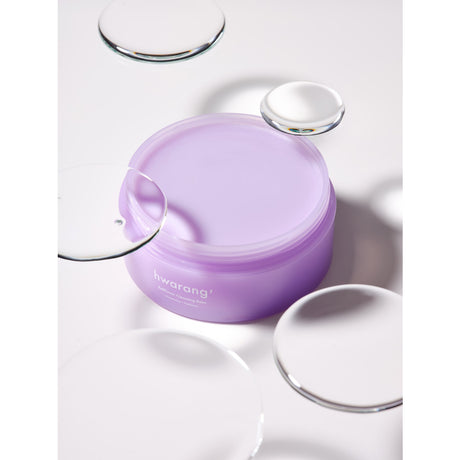
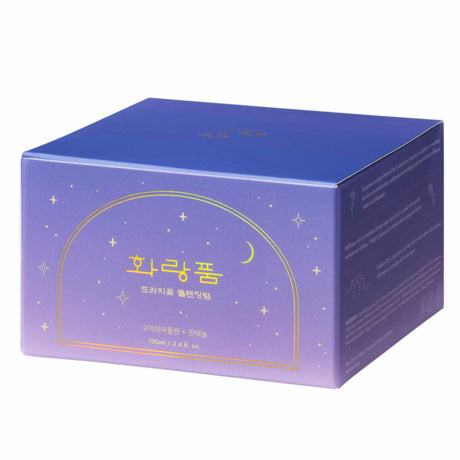
![[hwarang'] Bellflower Cleansing Balm](http://www.yepposoonsoo.de/cdn/shop/files/hwarang-bellflower-cleansing-balm-mini-30ml-min.webp?v=1740465019&width=460)
Korean sunscreens have become skincare favorites worldwide.
They are especially loved for their lightweight textures, the high protection they offer, and the fact that they feel more like skincare products on the skin than traditional sunscreens. That’s why they are easy to include in your daily skincare routine and work excellently under makeup.
But what do SPF and PA++++ really mean? And what is the difference between chemical and mineral sunscreens?
In this guide, we explain:
-
how to choose the best Korean sunscreen?
-
what's the difference between SPF and PA+ rating?
-
which sunscreen suits best for your skin type?

SPF vs PA – what do they mean?
Most people are familiar with the SPF rating. SPF (Sun Protection Factor) indicates how well sunscreen protects the skin from the sun's UVB rays, which are the main cause for skin burning. SPF does not measure total UV protection, but mainly UVB protection.
The SPF value is based on laboratory tests where sunscreen is applied to the skin and the amount of UV radiation the skin can tolerate before it starts to go red is measured. Simply put, SPF indicates how much more UV radiation the skin can receive without burning compared to no sunscreen. However, SPF does not precisely indicate how long you can stay in the sun without burning, because UV levels vary throughout the day and depending on the environment.
In Korean sunscreens, in addition to the SPF marking, you will also find the PA+ rating, which stands for "Protection Grade of UVA." It is a scale that measures the level of protection a sunscreen provides against UVA rays. UVA rays are longer than UVB rays and cause less burning, but they significantly contribute to premature skin aging caused by UV radiation.
The best protection comes from choosing a product with both a high SPF and PA rating. The higher the PA value, the better the sunscreen protects against UVA rays:
PA+: weak UVA protection
PA++: moderate UVA protection
PA+++: good UVA protection
PA++++: excellent UVA protection
SPF 15: protects against 93% of UVB
SPF 30: protects against 97% of UVB
SPF 50: protects against 98% of UVB
We always recommend choosing at least SPF 30 sunscreen for adequate protection, and most Korean products have SPF 50, so your skin will definitely be protected as well as possible.
So check that your product either says broadspectrum SPF or has both SPF and PA markings!

What is the difference between chemical and physical sunscreen?
Chemical, aka organic, sunscreens are usually very lightweight and pleasant to use, and they don’t leave a white layer on the skin. Chemical UV filters absorb the sun’s harmful UV rays, preventing them from damaging the skin. Simply put, chemical sunscreen molecules act like tiny factories that take in UV radiation and convert it into a safe form. Organic sunscreens absorb only into the outer layers of the skin and work immediately after application. To form good protection, it’s best to let the sunscreen settle, so it’s advisable to wait before applying makeup.
Physical, aka inorganic, sunscreen mainly work the same way thank organic sunscreen but they also scatter a small amount of UV rays away from the skin (about 5-10%). However, its effectiveness largely relies on its ability to absorb UV rays and convert them into a harmless form for the skin and environment. Inorganic filters use only two types of UV filters: titanium dioxide and zinc oxide. Both are water-insoluble white powders, which is why they typically leave a slight pale tint on the skin, known as white cast.
The persistent misconception that physical sunscreens work only by reflecting UV rays stems from a mistaken conclusion from the 1970s, which has since been de-bunked multiple times. Read more about sunscreen myths in our article.
Hybrid sunscreens contain both physical and chemical UV filters, which is a very typical solution for Korean sunscreens. This way, you get the best benefits of both types of protection!
The best sunscreen is the one you will actually use. Meaning it’s pleasant to apply, reasonably priced, and fits into your skincare routine. Both physical and chemical sunscreens have been studied and found to be safe when used correctly, and both protect against the sun’s UV rays. So choose the one that suits you better and that you will use regularly.
![[espoir] Water splash sun cream ceramide](https://cdn.shopify.com/s/files/1/0550/1927/4448/files/water-splash-sun-cream-ceramide-mood2_480x480.webp?v=1733925761)
Nano vs non-nano sunscreen
Some physical sunscreens have a non-nano filter or nano-filter label. Sunscreens use nano-sized mineral particles (under 100nm) to reduce the white cast left on the skin. But the smaller the particle, the easier it can penetrate the skin. Non-nano filter means the product does not contain nano-sized particles, so the ingredients absorb less into the skin. This also means the product leaves a more noticeable white cast.
The reason for non-nano labels stems from the possibility of zinc oxide and titanium dioxide nanoparticles penetrating deeper into the skin. However, so far studies have shown that these nanoparticles do not penetrate very deeply, only reaching the very top dead layer of the skin. And the amount absorbed is so minimal that it has not been found to cause harm. After all, the skin is a protective barrier against external factors, and the absorption of a product through the skin into the bloodstream is not as simple as many think and fear. A small particle size alone does not mean the ingredient easily penetrates deeply into the skin.

Is it necessary to wash off sunscreen with double cleansing?
The Korean skincare routine puts double cleansing on a high regard. First, makeup, sunscreen, dirt, and sebum are removed from the face with an oil-based cleanser, and then the face is washed again with a water-based cleanser.
Gentle but thorough cleansing is the first step to healthy skin, which is why we often recommend double cleansing, but even just an oil-based cleanser can sufficiently remove sunscreen. However, this depends on the sunscreen's formulation; for example, especially water-resistant sunscreens often require more effective cleansing, making double cleansing the best option.
Best sunscreens for the face
As we said earlier, the best sunscreen is the one you want to use every day! Our customers have several favorites, and here is a list of our most popular sunscreens:
Best for dry skin: [Round Lab] Birch Juice Moisturizing Sunscreen and if you want something with a little tone-up, go for [espoir] Water Splash Sun Cream Ceramide
Best sunscreen for oily or combination skin [Beauty of Joseon] Relief Sun Aqua-Fresh: Rice + B5 is a thin, serum-like, and perfectly lightweight sunscreen.
Best sunscreen for sensitive and acne-prone skin: [SKIN1004] Centella Hyalu-Cica Water-Fit Sun Serum is also popular because it works excellently under makeup!
Best water-resistant sunscreen: [Purito Seoul] Daily Soft Touch Sunscreen is a great choice for the beach and sports!
Best mineral sunscreen: [SKIN1004] Madagascar Centella Air-Fit Suncream Light is a lightweight, non-nano sunscreen for those who can’t use organic UV filters.
Best for over reapplying: It’s important to reapply sun protection during the day, and sunscreen sticks work best for this! Try our most popular sunscreen stick, Beauty of Joseon Matte Sun Stick: Mugwort + Camellia, which leaves a matte finish and won’t smudge your makeup.

Sources:
Wong M. What Does SPF Mean? The Science of Sunscreen. Lab Muffin Beauty Science. August 18, 2017. Accessed March 11, 2026. https://labmuffin.com/what-does-spf-mean-the-science-of-sunscreen/
Wong M. Video: What Does SPF Mean? Is High SPF Sunscreen Better?. Lab Muffin Beauty Science. June 15, 2018. Accessed March 13, 2026. https://labmuffin.com/video-spf-mean-high-spf-sunscreen-better/
 info@yeppo.fi
 14 vrk palautusoikeus
 SSL Encryption
 Secure Checkout
 PCI-DSS Compliant
 PayPal Buyer Protection
 Klarna – Pay Securely
![[A'pieu] Bananenmilch Ein-Pack Sheet Maske](http://www.yepposoonsoo.de/cdn/shop/products/6c7a85_417e0a8a8d0847a69585a88fe2eaaa26_mv2.jpg?v=1616347294&width=156)
![[A'pieu] Coffee Milk Ein-Paket-Gesichtsmaske](http://www.yepposoonsoo.de/cdn/shop/products/6c7a85_7f19d8c618b143ebb2538f2188cc26e6_mv2.jpg?v=1616346654&width=156)
![[A'pieu] Grüner Tee Milch Ein-Pack Sheet Maske](http://www.yepposoonsoo.de/cdn/shop/products/a_pieu_green_tea_milk_one_pack_21g.jpg?v=1622302818&width=156)
![[A'pieu] Icing Sweet Bar Sheet Maske Hanrabong](http://www.yepposoonsoo.de/cdn/shop/products/6c7a85_4c6f0810a10a449da62c0d9badf73533_mv2.jpg?v=1616347691&width=156)
![[A'pieu] Icing Sweet Bar Sheet Maske Ananas](http://www.yepposoonsoo.de/cdn/shop/products/6c7a85_fcc180ff6d2049b987a2662ebe032536_mv2.jpg?v=1616347693&width=156)